The Importance of Close Protection for CEOs
The shocking assassination of Brian Thomson, CEO of UnitedHealthcare, has left the corporate world reeling. This tragedy underscores the vulnerabilities even high-profile leaders face and serves as a sobering reminder of the importance of robust corporate security and personal protection strategies. Thomson’s untimely death could have been prevented with comprehensive close protection services and proactive security intelligence.
The Growing Need for Corporate Security in a High-Stakes World
Corporate leaders like CEOs are increasingly exposed to threats due to their visibility, financial influence, and the critical decisions they make. The modern business environment demands corporate security strategies that adapt to a wide range of risks, including physical threats, cyber-attacks, and reputational damage. In Thomson’s case, the lack of immediate personal protection for the CEO highlights the gaps in security that left him exposed to a fatal attack.
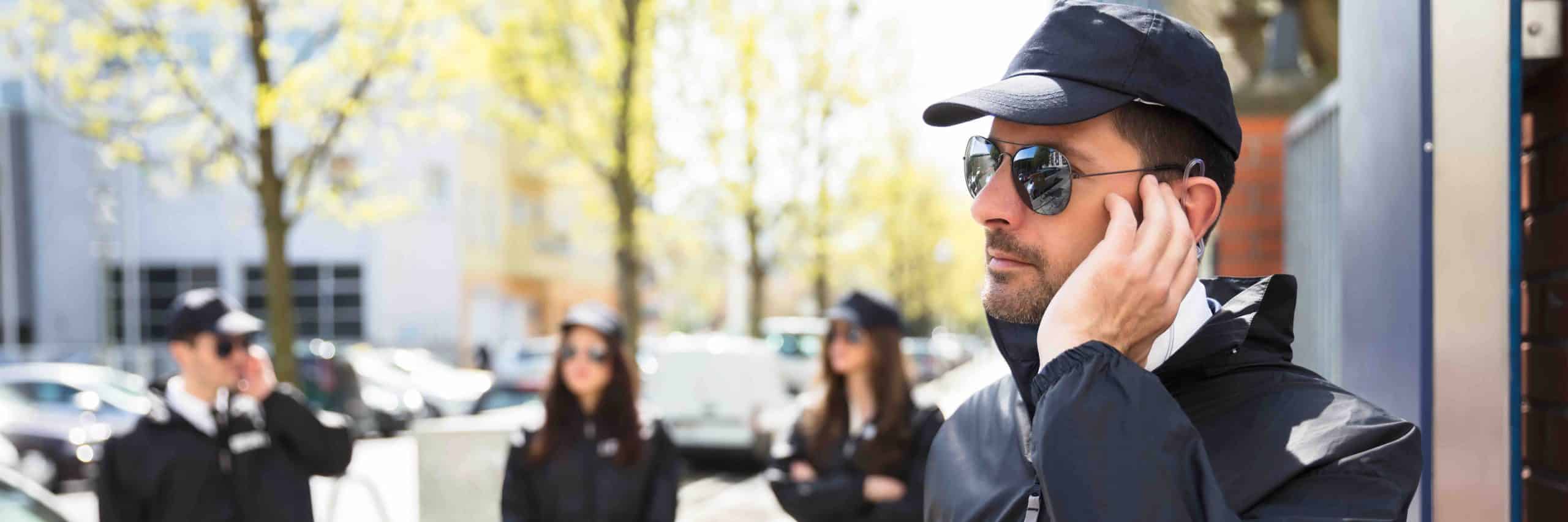
Close Protection for CEOs goes beyond hiring a bodyguard for an executive; it encompasses a multi-layered approach that integrates threat assessment, advance planning, and highly trained personnel capable of responding to any threat. Given the level of influence Thomson wielded, a tailored corporate security program would have been an essential deterrent to potential attackers.
The Role of Close Protection in Safeguarding Executives
Close Protection for CEOs entails more than just physical presence. It is a proactive approach to personal safety that starts with understanding potential threats and vulnerabilities. For someone of Thomson’s stature, this would involve:
- Comprehensive Risk Assessments: Identifying threats from disgruntled employees, industry competitors, or activists targeting the company’s policies.
- Surveillance and Advance Planning: Conducting reconnaissance of venues Thomson visited, including his workplace, home, and public events, to preemptively neutralize risks.
- 24/7 Protection: Assigning a team of bodyguards for the executive to provide seamless coverage across all aspects of their daily routine.
Had Thomson been accompanied by a professional Close Protection team, attackers would have been far less likely to act, knowing the risks of confrontation. Properly executed Close Protection strategies deter acts of violence and ensure immediate response in case of an incident.
The Critical Role of Security Intelligence
Effective corporate security begins with intelligence. Proper prior security intelligence entails gathering actionable information about potential threats and devising strategies to mitigate them. For a CEO like Brian Thomson, this would include monitoring:
- Social Media Activity: Identifying individuals or groups expressing hostility toward the company or its leadership.
- Threatening Communications: Investigating emails, calls, or messages aimed at the CEO or UnitedHealthcare.
- Local Security Risks: Assessing the security environment at locations Thomson frequented, including potential vulnerabilities during travel.
By employing security intelligence analysts, UnitedHealthcare could have anticipated risks to Thomson and taken proactive measures to ensure his safety. This approach is a cornerstone of corporate security, allowing organizations to stay ahead of potential threats rather than reacting to them after the fact.
Bodyguards for Executives: The Human Element in Close Protection
Highly trained bodyguards for executives are the cornerstone of any Close Protection strategy. These professionals are skilled in defensive driving, emergency response, and advanced threat neutralization. More importantly, they bring situational awareness that allows them to identify and diffuse risks before they escalate.
For Brian Thomson, having a dedicated team of bodyguards for executives would have ensured constant vigilance during his public appearances, business meetings, and private moments. These professionals act as both a deterrent and a first line of defense, providing the confidence CEOs need to focus on their responsibilities without fear of external threats.
Lessons Learned from the UnitedHealthcare Tragedy
The assassination of Brian Thomson illustrates the catastrophic consequences of underestimating security risks. For other organizations, this tragedy serves as a wake-up call to invest in comprehensive corporate security programs. These programs should include:
- Custom-Tailored Protection Plans: Recognizing that each executive faces unique risks based on their profile, responsibilities, and personal life.
- Ongoing Threat Monitoring: Regularly updating risk assessments to account for new developments in the security landscape.
- Training for Executive Teams: Ensuring CEOs and other high-level executives understand basic personal security practices, such as varying their routines and being aware of their surroundings.
The integration of these elements into a cohesive security strategy can mean the difference between safety and tragedy.
Building a Culture of Security at the Corporate Level
Corporate security is not just the responsibility of the CEO or their protection team; it requires a company-wide commitment. UnitedHealthcare could have implemented a holistic security program that included:
- Employee Training: Educating staff on recognizing and reporting suspicious behavior.
- Access Control Systems: Restricting access to sensitive areas of the organization.
- Crisis Management Protocols: Preparing for worst-case scenarios with detailed response plans.
By embedding a culture of security within the organization, companies can better protect their leaders while also safeguarding employees and assets.
Moving Forward: A Call to Action for Corporate Leaders
Brian Thomson’s death is a stark reminder of the threats corporate leaders face in today’s volatile world. It is imperative for companies to prioritize personal protection for CEOs and invest in Close Protection services tailored to their unique needs. Proactive measures, including hiring bodyguards for executives and utilizing security intelligence, are not optional—they are essential.
Corporate leaders hold the future of their organizations in their hands, and their safety should be treated as a top priority. Companies that fail to provide adequate protection risk not only the lives of their leaders but also the stability of their operations and the confidence of their stakeholders.
Turning Tragedy into Change
The assassination of UnitedHealthcare CEO Brian Thomson was a preventable tragedy that highlights the critical importance of corporate security. Through the integration of Close Protection for CEOs, personal protection strategies, and advanced security intelligence, similar incidents can be avoided in the future.
Organizations must recognize the value of professional security services and act decisively to protect their most valuable assets—their people. By learning from this loss, companies can build a safer, more secure future for their leaders and ensure that tragedies like this never happen again.